Alert
GoldBod model draws interest as 7 African countries seek gold governance lessons
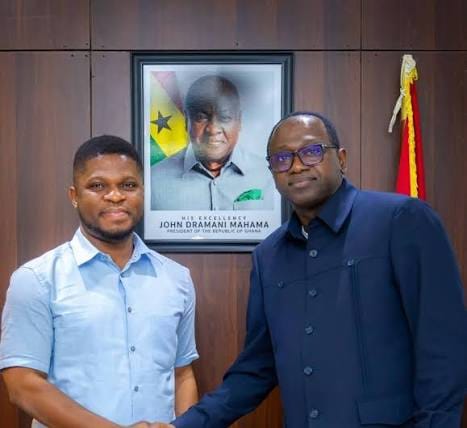
The Ghana’s GoldBod model is increasingly attracting interest from countries across Africa, with seven international delegations undertaking official visits and engagements with the Ghana Gold Board over a 12-month period to study Ghana’s new approach.
This is to help these African countries formalised gold trading and centralised gold market regulation toward value maximisation and local value retention.
The visits, involving Sierra Leone, Mozambique, Tanzania, Zimbabwe, Zambia, Sudan and Namibia, reflect growing interest in Ghana’s efforts to assert national sovereignty over the exploitation of its gold resources under the GoldBod model through a centralised, well-structured and an effectively regulated gold value chain.
The engagements began in September 2025 with a visit by Sierra Leone’s Minister of Finance, Sheku Ahmed Fantamadi Bangura, on September 18.
Discussions with GoldBod Chief Executive Officer Sammy Gyamfi, centred on how Sierra Leone could adapt the Ghanaian model to strengthen its mineral revenue management.
Mr. Bangura commended the achievements of GoldBod within a relatively short period and described the model as a potential blueprint for sustainable gold-sector reform in Africa. At the time, GoldBod was also working with the Ghana Commodity Exchange on initiatives involving tokenisation and exchange-traded funds, while the Securities and Exchange Commission was engaged on investor protection.
In October 2025, a high-level delegation from Mozambique’s Ministry of Mineral Resources and Energy undertook a two-day study visit to Ghana. The delegation, which included officials responsible for the Kimberley Process, examined Ghana’s institutional arrangements for regulating gold trading and certification.
The Mozambican officials were taken through GoldBod’s regulatory framework and day-to-day operations by Deputy Chief Executive Officer Richard Nunekpeku, Esq. The visit formed part of Mozambique’s broader interest in strengthening the regulation and legality of precious metals, rough diamonds and gemstones.
The interest continued in January 2026 when a 15-member delegation from Tanzania’s Minerals Commission visited GoldBod to study Ghana’s gold-buying system and the regulatory regime supporting it.
Led by Dr. Theresia Numbi, the delegation indicated that Ghana had been deliberately selected after comparisons with other countries and described Ghana as a pioneer and centre of excellence in Africa.
Tanzania’s interest subsequently extended beyond the Minerals Commission. Four months later, a separate delegation from the Central Bank of Tanzania returned for a study tour focused on Ghana’s Domestic Gold Purchasing Programme and its successor, GANRAP.
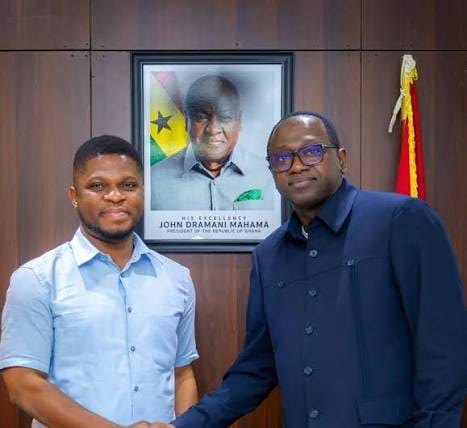
In April 2026, GoldBod hosted the BetterBrands Team from Zimbabwe on a technical visit focused on opportunities for formalising Ghana’s artisanal and small-scale mining sector.
The engagement added another dimension to the growing regional interest in the Ghanaian model, particularly in relation to the organisation and formalisation of the artisanal and small-scale gold-mining ecosystem.
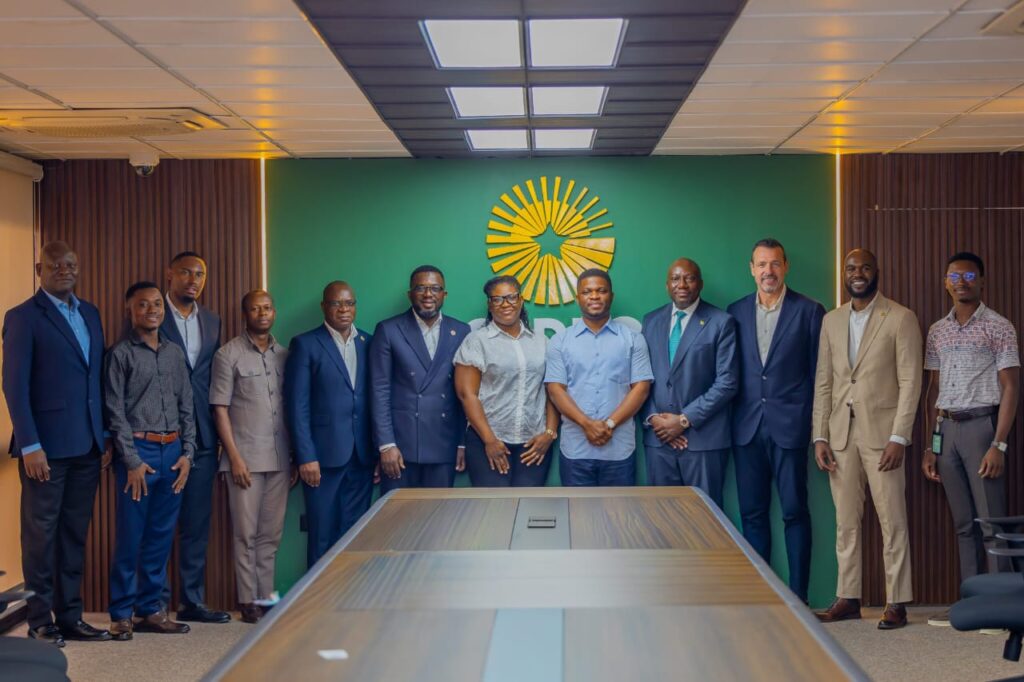
In July, Zambia sent a high-level government delegation to GoldBod on a fact-finding mission following an official request routed through Ghana’s Ministry of Foreign Affairs.
The delegation's interest came against the backdrop of Zambia confirming commercially viable gold deposits and seeking to develop a structured trading system around its emerging gold sector.
The Zambian team was received by Deputy CEO Richard Nunekpeku, Esq., who took the delegation through GoldBod’s operations, achievements and ongoing reforms. Subsequent public comments from ZCCM Investments Holdings indicated interest in the Ghanaian model as Zambia seeks to increase value from its small-scale gold sector.
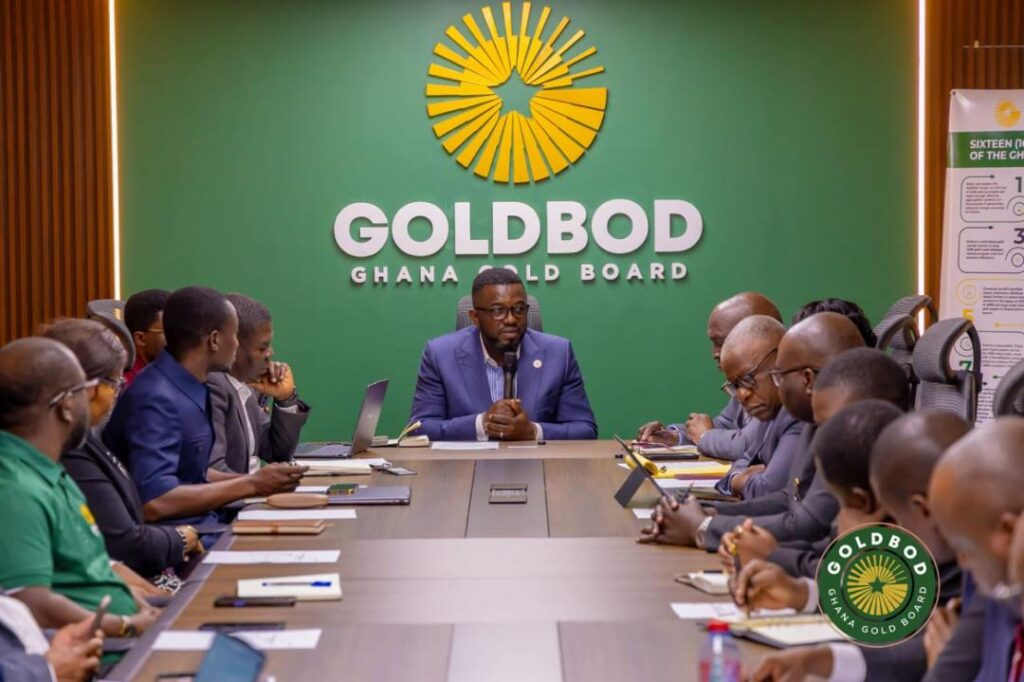
A few days later, on July 21, 2026, a Sudanese delegation led by the Ambassador to Ghana visited GoldBod to understand the model and explore how it could be replicated within Sudan’s natural-resource management framework.
The most recent documented engagement was by Namibia’s Ministry of Industries, Mines and Energy, which visited GoldBod in September 2026 for a benchmarking exercise.
The Namibian delegation examined GoldBod’s statutory mandate, licensing regime, gold purchasing and sales operations. The delegation described the GoldBod model as a robust framework from which Namibia could draw valuable lessons as it works towards greater uniformity and standardisation in its own minerals sector.
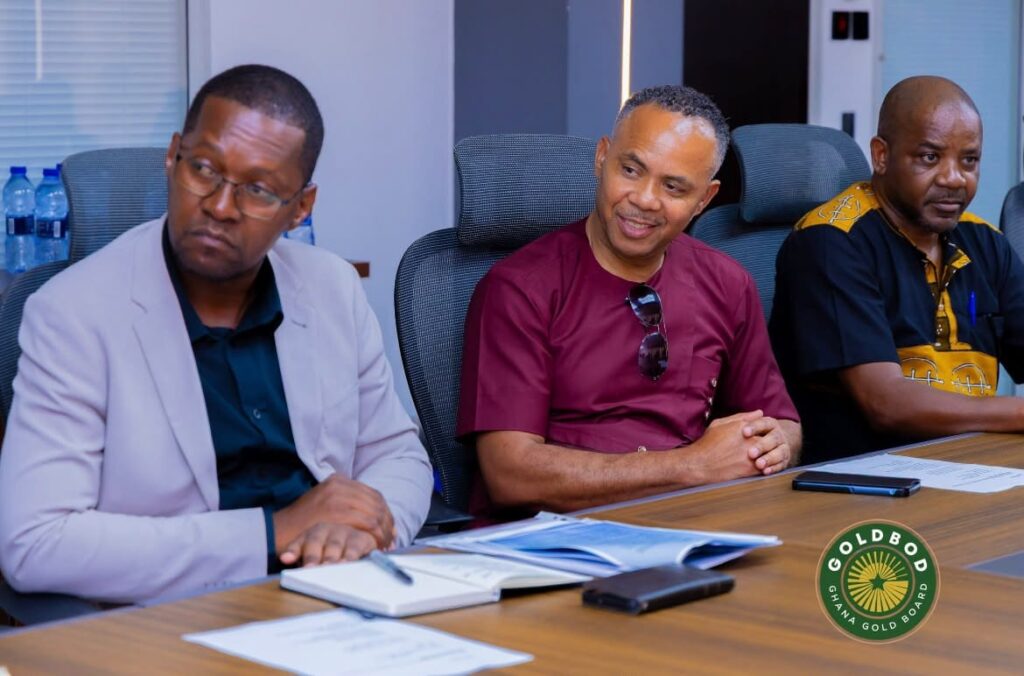
The delegation was received by Deputy CEO Richard Nunekpeku, Esq., while officials from GoldBod’s Legal Department and Technical Operations provided presentations on the institution’s mandate and operations.
A Growing African Interest
Taken together, the seven engagements demonstrate the breadth of international interest in Ghana’s approach to gold-sector governance.
The delegations have not all come with identical objectives. Their areas of interest have ranged from mineral revenue management, gold trading and certification, licensing and regulation, domestic gold purchasing, artisanal and small-scale mining formalisation, natural-resource management and value addition.
What connects the engagements is a desire to understand the institutional framework Ghana has developed through GoldBod and to examine elements that could potentially inform reforms in the visiting countries.
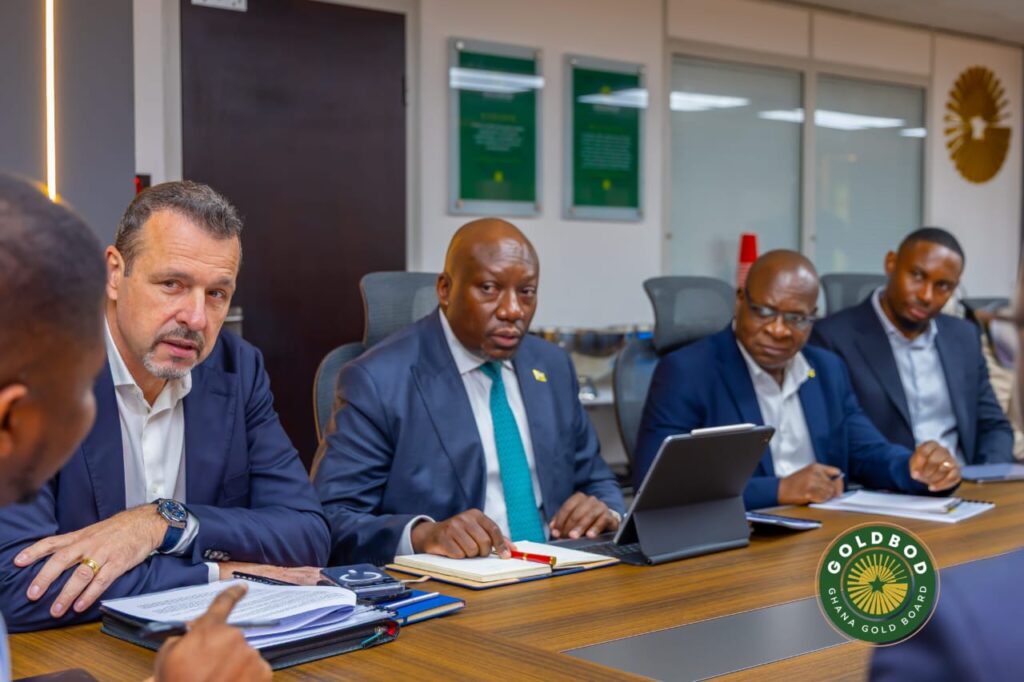
Within 12 months, the Ghana Gold Board has therefore become a reference point for officials and institutions from different parts of Africa seeking practical insights into the organisation and governance of their own gold sectors.
The sequence of visits—from Sierra Leone and Mozambique in 2025 to Tanzania, Zimbabwe, Zambia, Sudan and Namibia in 2026—provides a growing record of regional engagement around the GoldBod construct.
For Ghana, the study tours also provide an opportunity to share its experience while strengthening technical and institutional cooperation with other African mineral-producing countries.
As more African countries explore ways of capturing greater value from their mineral resources, the continued interest in GoldBod places Ghana’s experience within a broader continental conversation about gold governance, formalisation, regulation, value addition and mineral-resource management.
Media